
No fixed address? How to get a briefadres (postal address)
Without registration there are no benefits, no allowances and no health insurance. What a briefadres is, who can give you one, and how to apply at the municipality.
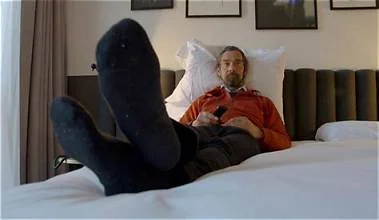
Without a fixed place to live, you soon get stuck on one question: what is your address? Without registration at the municipality, almost every door stays shut. A briefadres, a postal address you are registered on, solves that. Below you can read what it is, who can give you one and how to apply.
What is a briefadres?
A briefadres is an address where your post arrives when you have no home address. You are also registered on it in the Basisregistratie Personen (BRP), the municipal register of who lives where. A PO box does not count, and neither does a separate mailing address. Only a briefadres counts as registration.
Why you need one
Without registration there is a lot you cannot arrange. You need a home address or a briefadres for:
- social assistance (bijstand), the state pension (AOW) or other benefits
- healthcare allowance (zorgtoeslag) and other allowances
- taking out health insurance
- post from the government and other organisations
Are you homeless and applying for social assistance? Then you need to be registered with a briefadres.
First: do you sleep somewhere most of the time?
You register at the address where you will sleep most nights over the next six months. If you are staying with family or a friend for a longer time, you register there, as your home address. A briefadres is for people who have no such address.
Who can give you a briefadres?
- Family, a friend or an acquaintance who is registered at that address themselves.
- An organisation the municipality has designated for this, such as a homeless shelter (maatschappelijke opvang).
- Cannot find anyone? Then the municipality must register you itself, often at the address of the town hall. This has been a legal duty since 2022.
Whoever gives you a briefadres does not become liable for your debts. Your post arrives at their address, and little else changes for them.
How to apply
- Go to the civil affairs desk (Burgerzaken) of the municipality where the briefadres is. That does not have to be the municipality where you are staying now.
- Bring valid ID.
- Bring signed permission from the person or organisation giving the address, with a copy of their ID.
- Explain why you need a briefadres, from when and roughly for how long.
Registration is free, so never pay a company that offers to arrange it for you. Can you not manage alone? Ask a care worker or the homeless shelter to help. Some municipalities work this way themselves: in Rotterdam, homeless people apply together with their support worker.
What the municipality may and may not do
The municipality may not add conditions of its own on top of the law. If your application is refused anyway, you can file an objection (bezwaar). A briefadres is temporary, though: the municipality can check whether you are still entitled to it. If something changes, for instance you find a place to live again, report it. You can do that from four weeks before the move until five days after.
A hotel room as a first step
Through Room for Change, people stay temporarily in a hotel room, placed by our care partners. Such a room is a place of residence, and from there you can apply for a briefadres. Why that address makes so much difference is what we wrote about earlier in ‘Without an address you do not exist’.
Sources: the Dutch government (Rijksoverheid), the National Office for Identity Data (RvIG) and the municipality of Rotterdam, November 2026. Practice sometimes differs between municipalities; if in doubt, ask Burgerzaken.
Are you without a home yourself and not sure where to start?